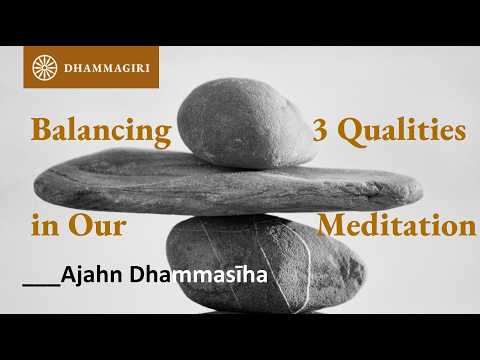
Balancing Calm, Effort and Equanimity | 3 Nimittas: Samadhi, Paggaha, Upekkha | Ajahn Dhammasiha
Traducción IABalancing Calm, Effort and Equanimity | 3 Nimittas: Samadhi, Paggaha, Upekkha | Ajahn Dhammasiha
Transcripción IAPulsa reproducir. La frase actual aparece aquí con su traducción.
Traducción IA
Aún no hay transcripción.
Si YouTube tiene subtítulos para este video, actívalos con el botón CC del reproductor. Para leerlos en tu idioma, abre el video en YouTube y elige Configuración, Subtítulos, Traducir automáticamente.
Abrir en YouTubeTranscripción IA Transcrita por IA a partir del audio de la charla. Puede haber nombres y términos mal oídos.
Traducción IA Traducido por IA. No son las palabras del propio maestro.
Traducción IATítulo original:Selected Suttas of The Buddha 03
Traducción IABalancing Calm, Effort and Equanimity | 3 Nimittas: Samadhi, Paggaha, Upekkha | Ajahn Dhammasiha
Traducción IAเรื่องเล่าจากพระสูตร Ep.39 | เรื่องตักกลชาดก ว่าด้วยการเลี้ยงดูบิดามารดา
Traducción IA제5장 다섯-모음(Pañcaka-Nipāta) A.5.1. ~ A.5.4, 2024-1 앙굿따라 니까야 1강
Traducción IASix Elements of Escape Ven. Bhikkhu Bodhi (12/9/2023)
Traducción IAWhat Is the Pali Canon of Buddhism?
Traducción IAIs the Mind Luminous?
Traducción IABhikkhu Bodhi: Das Kultivieren des Heilsamen - Cultivating the Wholesome
Traducción IAAN 4.96: Rāgavinayasutta - Bhikkhu Dhammasen l दुनिया के 4 तरह के लोग, आप कौन से हैं?